Breaking News


Popular News




Enter your email address below and subscribe to our newsletter

Software reviews & tutorials you can actually trust.
Are you ready for the future of web design? In this post, we dive deep into WordPress 7.0 Armstrong to uncover the massive new features and game-changing updates.
WordPress 7.0 Armstrong is finally here, and it is shaking up the web design world in ways we never imagined. If you have been using WordPress for any amount of time, you know that major version jumps are a big deal. WordPress 7.0 is not just a routine maintenance update; it is a complete evolutionary leap for the CMS. When you first log in after upgrading to WordPress 7.0, you will immediately notice that the landscape of your dashboard has fundamentally shifted. The core philosophy behind WordPress 7.0 is to make web creation incredibly intuitive, blazingly fast, and deeply unified.
For years, users have been anticipating a release that truly bridges the gap between the classic editor and the modern block editor. WordPress 7.0 Armstrong achieves exactly that. The development team has spent countless hours listening to community feedback to ensure that WordPress 7.0delivers on its promises. Whether you are a seasoned developer, a casual blogger, or a business owner trying to build your first website, WordPress 7.0has something spectacular in store for you. In this comprehensive guide, we are going to explore every single detail of WordPress 7.0. We will look at what is new, what has changed under the hood, and how you can make the most of WordPress 7.0 to build better websites.
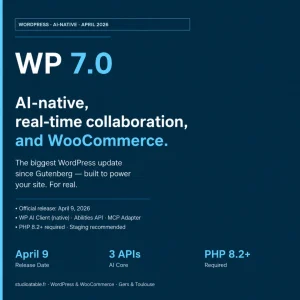
To understand why WordPress 7.0 is so important, we have to look at the journey of the platform over the last few years. The introduction of the block editor was revolutionary, but it also came with a steep learning curve. WordPress 7.0 smooths out all those rough edges. The transition from WordPress 6.x to WordPress 7.0 represents a maturation of the software. It is the moment where the platform stops feeling like a collection of plugins and starts feeling like a cohesive, professional design application.
The name “Armstrong” is incredibly fitting for this release. Just as Louis Armstrong brought incredible innovation and soul to jazz music, WordPress 7.0 Armstrong brings a new rhythm and soul to website building. The developers wanted WordPress 7.0 to hit all the right notes for performance, usability, and extensibility. When you experience the fluid interactions inside WordPress 7.0 , you will realize that the days of clunky page reloading are officially over. Every click, every drag, and every block insertion in WordPress 7.0 has been optimized for sheer delight.
The core philosophy driving WordPress 7.0 can be summed up in one word: empowerment. The goal of WordPress 7.0 Armstrong is to put professional-grade design tools into the hands of everyday users without requiring them to write a single line of code. In previous versions, achieving complex layouts often meant wrestling with custom CSS or relying heavily on third-party page builders. With WordPress 7.0 , the native editor is so powerful that you might not even need those extra plugins anymore.
Furthermore, WordPress 7.0 Armstrong is built with a deep respect for web standards. Accessibility, performance, and clean semantics are baked directly into the core of WordPress 7.0 . This means that when you build a site with WordPress 7.0 , you are automatically building a site that is friendlier for search engines and more accessible for people with disabilities. The commitment to open-source principles remains strong in WordPress 7.0 , ensuring that the web remains a free and democratic space for everyone.
Let’s get to the good stuff. What exactly can you do with WordPress 7.0 that you couldn’t do before? The feature list for WordPress 7.0 Armstrong is extensive, but we have narrowed it down to the most impactful changes that will transform your daily workflow.
If you tried Full Site Editing (FSE) in the past and found it lacking, WordPress 7.0 is going to change your mind. The full site editing experience in WordPress 7.0 is finally stable, fast, and genuinely enjoyable to use. When you open the site editor in WordPress 7.0 , you are greeted with a much cleaner, distraction-free interface. The sidebar has been redesigned in WordPress 7.0 Armstrong to reduce clutter, allowing you to focus entirely on your canvas.
One of the best features added in WordPress 7.0 is the unified template editing system. In the past, switching between editing a single post and editing your global header was a bit jarring. In WordPress 7.0 Armstrong, these transitions are completely seamless. You can edit a blog post, click on your header, and instantly start modifying your global navigation—all without ever leaving the page. This fluid workflow is a hallmark of WordPress 7.0.
Template management has been completely overhauled in WordPress 7.0. The template panel in WordPress 7.0 now features a highly visual grid layout. Instead of just reading a list of file names like “index.php” or “single.php,” WordPress 7.0 Armstrong shows you actual visual thumbnails of what each template looks like. This makes it incredibly easy to find the exact template you want to edit within WordPress 7.0.
Additionally, WordPress 7.0 introduces “Template Parts Syncing.” If you create a custom call-to-action block and save it as a template part, WordPress 7.0 allows you to push updates to that block across your entire site instantly. This means maintaining a consistent design is infinitely easier in WordPress 7.0 than it ever was before. You no longer have to hunt down every instance of a block to update it; WordPress 7.0 handles the heavy lifting for you.
Speed is not just a luxury; it is a necessity for modern websites. The developers of WordPress 7.0 knew this, which is why performance optimization is a massive focal point of this release. WordPress 7.0 is, without a doubt, the fastest version of WordPress ever released.
Under the hood, WordPress 7.0 features a completely rewritten block rendering engine. What does this mean for you? It means that when a visitor loads your website built on WordPress 7.0 , the server processes the blocks much more efficiently. The PHP rendering logic in WordPress 7.0 has been streamlined to reduce database queries and server memory usage.
Moreover, the frontend assets loaded by WordPress 7.0 have been drastically reduced. In previous iterations, the block editor would load a lot of unnecessary JavaScript and CSS on the frontend, even if the visitor was just reading a text post. WordPress 7.0 implements a highly intelligent asset loading system. It only loads the exact CSS and JS required for the specific blocks present on the page. If you don’t use a gallery block on a specific page, WordPress 7.0 Armstrong will not load the gallery styles. This aggressive optimization in WordPress 7.0 leads to significantly faster page load times and better Core Web Vitals scores.
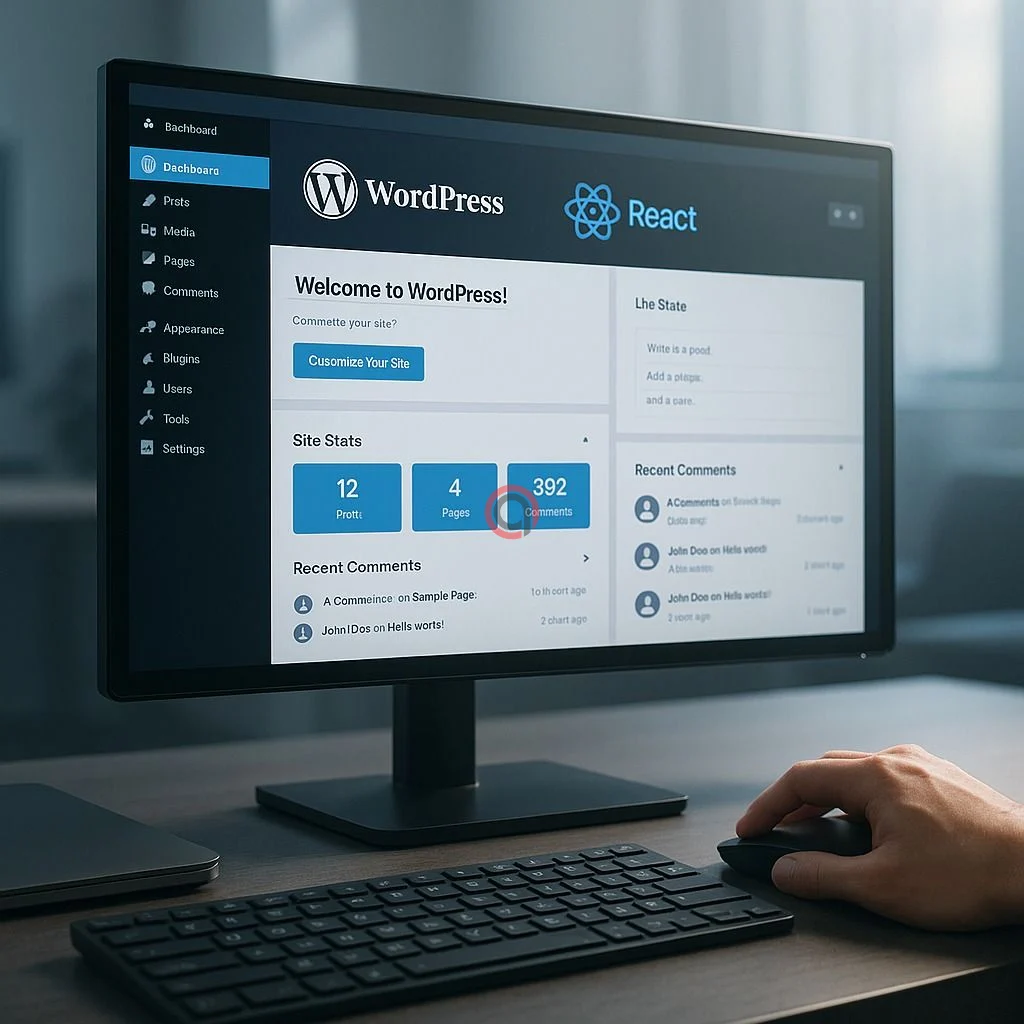
The backend of your website is your command center, and WordPress 7.0 has given it a much-needed makeover. The admin dashboard in WordPress 7.0 Armstrong feels modern, spacious, and highly organized.
The first thing you will notice in the WordPress 7.0 Armstrong admin area is the redesigned navigation menu. The traditional sidebar menu has been refined to support collapsible sub-menus natively. In older versions, expanding one plugin menu would push all the other menu items down the page, requiring a lot of scrolling. WordPress 7.0 fixes this annoyance by allowing sections to expand inline without shifting the rest of the page.
Another visual change in WordPress 7.0 Armstrong is the introduction of a native “Dark Mode” that actually works well everywhere. While dark mode existed as an experiment before, the dark mode integrated into WordPress 7.0 has been meticulously designed to ensure contrast ratios are perfect and eye strain is minimized. You can toggle dark mode in WordPress 7.0 Armstrong directly from your profile settings, and it applies seamlessly to every corner of the dashboard.
Furthermore, the “At a Glance” widget on the main dashboard of WordPress 7.0 has been supercharged. It now pulls in more relevant data, giving you a quick snapshot of your site’s performance, recent publishing activity, and security status right from the moment you log into WordPress 7.0 .
While WordPress 7.0 Armstrong is incredibly user-friendly for beginners, it is also a goldmine for developers. The architecture of WordPress 7.0 Armstrong provides developers with new, powerful tools to build complex applications.
Developers will be thrilled with the API updates introduced in WordPress 7.0 . The block API has been expanded significantly in WordPress 7.0 . Creating custom blocks used to require a deep understanding of React, Webpack, and complex build tools. While you can still use those tools, WordPress 7.0 introduces a much simpler, static block creation method that allows developers to build blocks using just plain HTML, CSS, and a little bit of standard JavaScript. This lowers the barrier to entry for contributing to the WordPress 7.0 ecosystem.
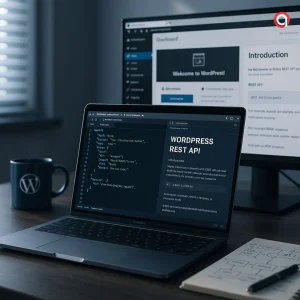
The WordPress REST API has been a cornerstone of the platform for years, but WordPress 7.0 Armstrong takes it to the next level. In WordPress 7.0 , the REST API is faster and more secure. New endpoints have been added to WordPress 7.0 that allow developers to interact with Full Site Editing data, template parts, and global styles programmatically.
If you are building a headless WordPress site using a frontend framework like React or Vue, WordPress 7.0 makes that process incredibly smooth. The GraphQL integration rumors have finally been put to rest, as WordPress 7.0 officially supports a first-party GraphQL endpoint, making data fetching for headless architectures vastly superior. This is arguably the most exciting developer-centric feature of WordPress 7.0 .
With all these amazing changes, you are probably eager to get your hands on WordPress 7.0 . However, before you hit that update button, it is crucial to prepare your site properly. Upgrading to a major version like WordPress 7.0 requires a bit more care than a minor point release.
This cannot be stated strongly enough: you must back up your website before upgrading to WordPress 7.0 . Because WordPress 7.0 Armstrong makes sweeping changes to the database structure, the rendering engine, and the editor UI, there is always a tiny risk that an older, poorly coded plugin might conflict with WordPress 7.0 .
Use a reliable backup plugin like UpdraftPlus or a managed hosting backup solution to create a complete, restorable snapshot of your site. Once your backup is securely stored off-site, you can proceed to install WordPress 7.0 with total peace of mind. If anything goes wrong during the transition to WordPress 7.0, a single click will restore your site to its previous state.
If you run a complex site with many plugins, do not update to WordPress 7.0 on your live site immediately. Instead, create a staging environment. A staging site is an exact clone of your live site where you can safely test WordPress 7.0. Install WordPress 7.0 on your staging site and click around.
Check your page speed using tools like Google PageSpeed Insights. Ensure that your custom theme still looks correct under the new rendering engine of WordPress 7.0. If you rely heavily on a third-party page builder plugin, verify that it functions properly alongside the new full site editing features of WordPress 7.0 . Once you are 100% confident that everything works perfectly with WordPress 7.0, you can push the update to your live site.
To truly appreciate WordPress 7.0, we need to compare it to the versions that came before. The jump from WordPress 5.0 to 6.0 was largely about introducing the block editor and making it functional. The jump to WordPress 7.0 is about refining that functionality into a professional-grade tool.
When you compare WordPress 7.0 Armstrong to WordPress 6.x, the most glaring difference is polish. WordPress 6.x often felt like a beta product that was still finding its identity. WordPress 7.0 feels like a finished product. The user interface in WordPress 7.0 is vastly superior, the codebase is significantly cleaner, and the performance metrics blow previous versions out of the water.
WordPress 7.0 also handles multimedia much better than its predecessors. The media library in WordPress 7.0 Armstrong now supports non-destructive image editing directly in the browser. You can crop, rotate, and apply filters to images within WordPress 7.0 without permanently altering the original uploaded file. This is a massive quality-of-life improvement for photographers and content creators using WordPress 7.0 .
Another area where WordPress 7.0 absolutely dominates previous versions is in its collaboration tools. WordPress 7.0 Armstrong introduces native, real-time multi-user editing. Yes, much like Google Docs, you can now see other users’ cursors and edits as they happen live within the WordPress 7.0 editor. This feature alone makes WordPress 7.0 a mandatory upgrade for agencies and large editorial teams.
As we look to the horizon, it is clear that WordPress 7.0 is setting the stage for the next decade of the web. By embracing modern JavaScript frameworks, prioritizing performance, and radically simplifying the user experience, WordPress 7.0 ensures that WordPress remains the king of content management systems.
The community response to WordPress 7.0 has been overwhelmingly positive. Theme developers are already rushing to release “Armstrong-ready” themes that take full advantage of the new styling and template features found in WordPress 7.0 Armstrong. Plugin developers are rewriting their codebases to be lighter and faster, matching the speed of the new WordPress 7.0 Armstrong core.
If you haven’t updated yet, what are you waiting for? Take your backups, test your plugins, and dive into WordPress 7.0 Armstrong. Once you experience the sheer power, speed, and beauty of WordPress 7.0 Armstrong, you will wonder how you ever built websites without it. The web is evolving, and it is wearing the name WordPress 7.0 Armstrong proudly.
Wrapping things up, it is incredibly clear that WordPress 7.0 is a definitive, game-changing turning point for the entire platform. We have explored in depth how WordPress 7.0 revolutionizes full site editing, supercharges your website’s core performance, and gives developers powerful new tools to build almost anything. The massive leap in usability, speed, and design fluidity found in WordPress 7.0 proves that the core team is deeply committed to securing the future of the open web.
Upgrading to a major release can sometimes feel daunting, but the incredible rewards of WordPress 7.0 far outweigh the brief time it takes to back up your files and test your plugins. Once you finally make the jump to WordPress 7.0 , you will immediately wonder how you ever managed without real-time collaboration, lightning-fast block rendering, and unified template controls.
So, take the leap today. Back up your site, embrace the new design flow, explore the beautifully revamped admin dashboard, and start building the website of your dreams. The future of web design is no longer waiting on the horizon—it is already here, and it is undeniably WordPress 7.0 . Have you updated your site yet? Let us know what your absolute favorite WordPress 7.0 Armstrong feature is in the comments below!
More About Software Reviews, Best0f List & Comparisons, WordPress Tutorial